Body Scrubs and Exfoliation in Bali’s Tropical Climate
Skin can feel different in Bali. Humidity, strong sun, sunscreen, sweat, saltwater, and chlorine can all affect how the body feels throughout the day. Travellers arriving in Ubud with a routine designed for a cooler, drier climate may find themselves reaching for exfoliation more often than usual.
That is where body scrubs and exfoliators can be useful, but tropical conditions also call for more caution about how often and how vigorously you exfoliate.
The Two Kinds of Exfoliation
There are two main ways to remove dead skin cells from the skin’s surface. Mechanical exfoliation uses physical friction from a scrub, cloth or brush. Chemical exfoliation uses ingredients such as alpha-hydroxy acids and beta-hydroxy acids to loosen and remove dead skin cells.
The American Academy of Dermatology recommends choosing an exfoliation method based on your skin type and notes that mechanical exfoliation can be overly irritating for sensitive or acne-prone skin.
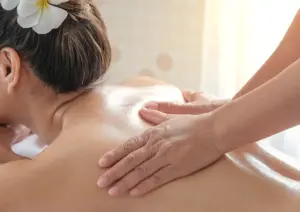
The Balinese body scrub sits firmly in the mechanical category. What separates a professional treatment from a jar used in a hotel shower is the hand doing the work. A therapist can adjust pressure across the back, shins, arms and other areas, while paying attention to how the skin responds. At home, it is easy to apply roughly the same pressure everywhere, even though different areas may need different treatment.
Salt, Sugar, Coffee, and Rice Powder
The base ingredient matters, but so do particle size, pressure and the condition of the skin being treated.
Salt scrubs can provide relatively vigorous mechanical exfoliation and are better suited to areas where the skin can tolerate more friction. They should be avoided on freshly shaved, irritated or sunburned skin. Sugar is commonly used in body scrubs because its granules dissolve with water and friction, making it a popular option for a softer exfoliating experience.
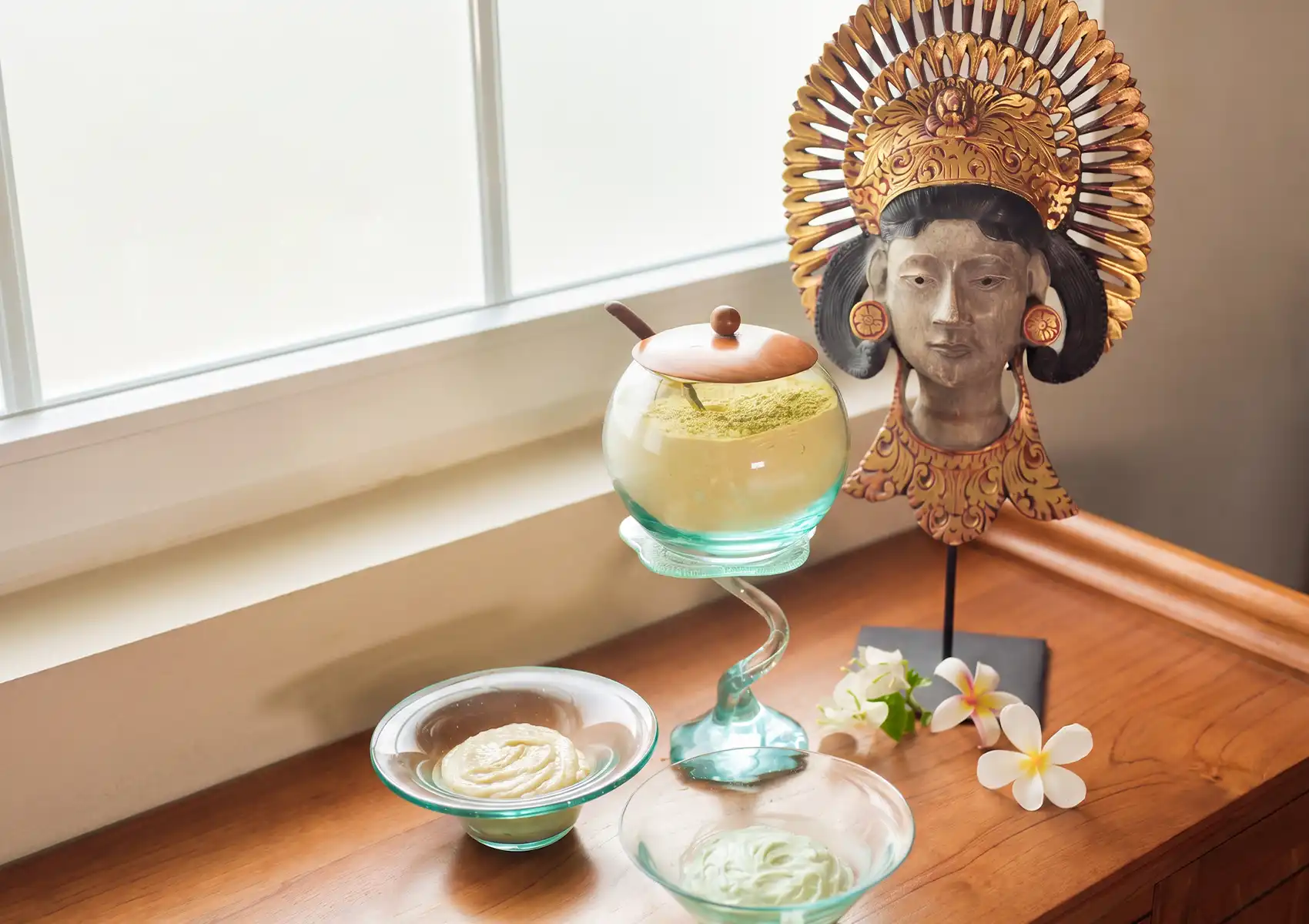
Coffee grounds have a coarse texture and are often included in body scrubs for their sensory appeal. Rice powder is finer and features prominently in traditional Balinese body-care rituals, including lulur. The right choice depends less on the ingredient alone than on how finely it is milled, how much pressure is used and how the skin responds.
Exfoliation in Bali and the Effect of Humidity
Heat, sunscreen and sweat can leave the skin feeling sticky or heavy by early evening, creating an understandable urge to scrub it clean. That instinct is worth resisting.
The outer layer of the skin acts as a protective barrier, and repeated or aggressive exfoliation can disrupt that barrier. In a climate where the skin may already be exposed to strong UV radiation, chlorine and salt water, over-exfoliation can contribute to dryness, irritation and redness.
Freshly exfoliated skin can also be more sensitive, so exfoliating immediately before prolonged sun exposure is not ideal. If a day at the beach, pool or outdoors is on the itinerary, it is better to give the skin some time before exposing it to strong sunlight.
The same applies to shaving and waxing. Avoid exfoliating immediately afterwards, particularly if the skin feels sensitive or irritated. Giving the skin at least a day to settle is a sensible precaution.
How Often Should You Exfoliate?
There is no single exfoliation schedule that works for everyone. Once a week may be enough for many people, while sensitive or recently irritated skin may need longer between treatments. The right frequency also depends on whether you are using a physical scrub, chemical exfoliant or other active skincare products.
The skin gives a useful signal when the balance is wrong. If it feels tight rather than soft afterwards, looks noticeably red, or stings when moisturiser is applied, give it more time before exfoliating again rather than simply switching to another product and continuing at the same pace.
This is particularly relevant when travelling. A change in climate does not mean the skin needs to be scrubbed more frequently. Sometimes the better approach is to simplify the routine, moisturise regularly and let the skin adjust.
Body Scrubs and Exfoliators at the Best Spa in Ubud
What separates one treatment from another is rarely the product on the shelf. It is the conversation that happens before anything is applied.
The Balinese Body Scrub at Akoya Spa lasts 30 minutes and is tailored to the individual guest. The initial consultation provides an opportunity to discuss areas of sensitivity, recent sun exposure and relevant skin concerns before the treatment begins.
The ritual also sits within a wider Balinese tradition of body care. Traditional preparations such as Boreh and Lulur have their own cultural histories and purposes, while the modern spa treatment draws inspiration from Balinese approaches to wellness without being presented as a traditional Boreh preparation.
For those seeking a treatment without mechanical exfoliation, the Body Mask offers an alternative approach. This separate 30-minute treatment uses a natural yoghurt preparation as a soothing and moisturising step, making it an alternative for skin that may benefit from a gentler experience.
A More Considered Approach to Exfoliation

In a tropical climate, exfoliation is less about scrubbing harder and more about knowing when the skin needs it. The right treatment, frequency and pressure can leave the skin feeling smoother without turning exfoliation into another source of irritation.
At Akoya Spa in Ubud, the Balinese Body Scrub offers a considered approach, combining traditional influences with a treatment tailored to the individual guest.
To reserve a treatment at Akoya Spa, please email spa@viceroybali.com or contact the spa directly.