Balinese Wellness Philosophy and the Spa Table
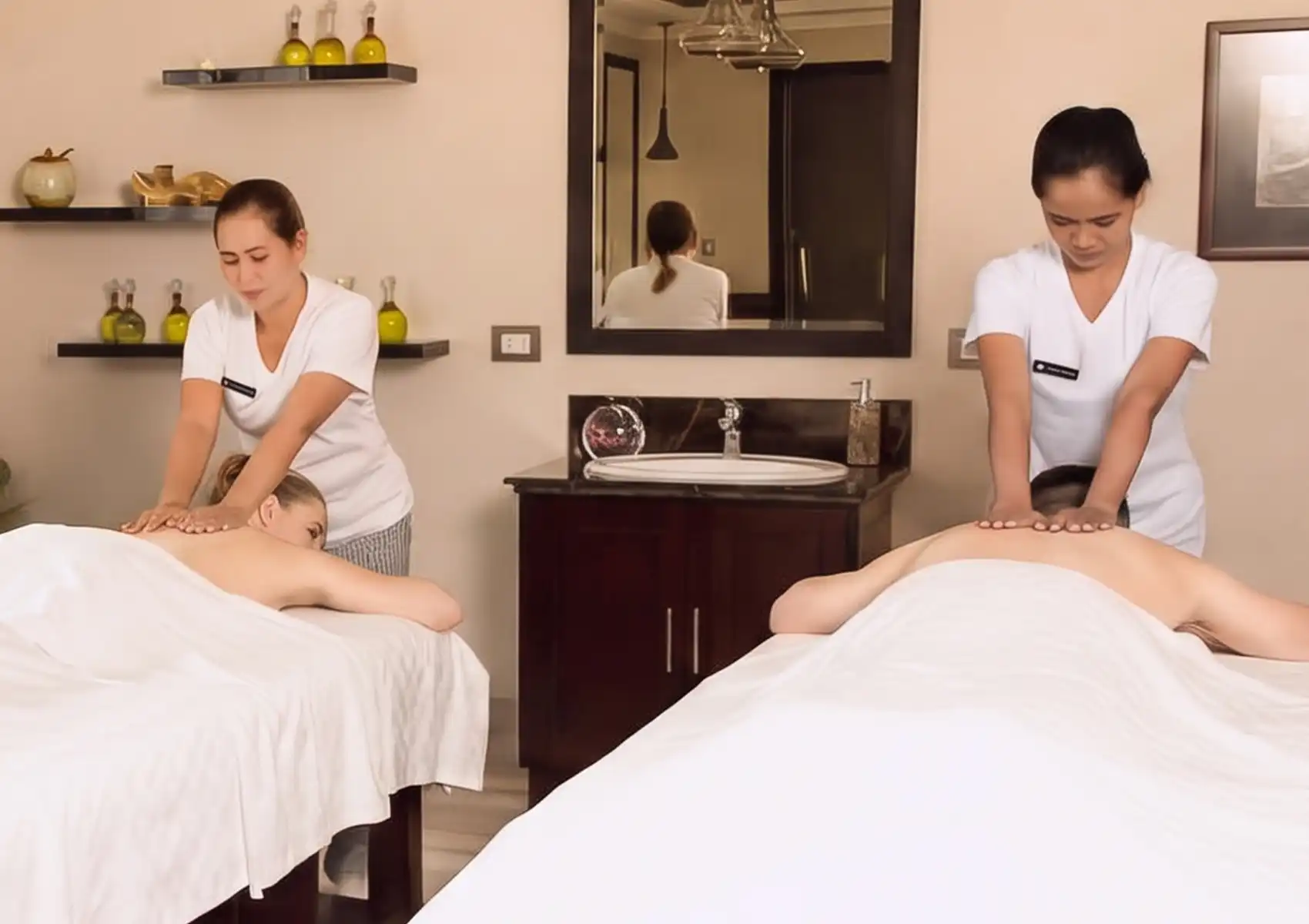
Wellness in Bali is often associated with massage, body treatments, herbal ingredients, and rituals involving water. But behind many of these practices is a broader way of thinking about wellbeing, one that considers the relationship between the body, the environment, and everyday life.
One concept often discussed in relation to Balinese life is Tri Hita Karana, a philosophy centred on harmony between people, nature, and the spiritual world. While it is not a spa treatment concept in itself, it offers useful context for understanding why balance and connection are such familiar themes in Balinese wellness.
For guests looking for the best spa in Ubud, understanding this background can add another layer to the experience. A treatment is not simply about choosing between a Balinese massage, facial, or body ritual. It can also be a chance to slow down and experience a form of care that is closely connected to the culture and surroundings of Bali.
Where the Philosophy Appears in the Spa
The connection is often found in the details rather than in a treatment claiming to represent an entire philosophy.
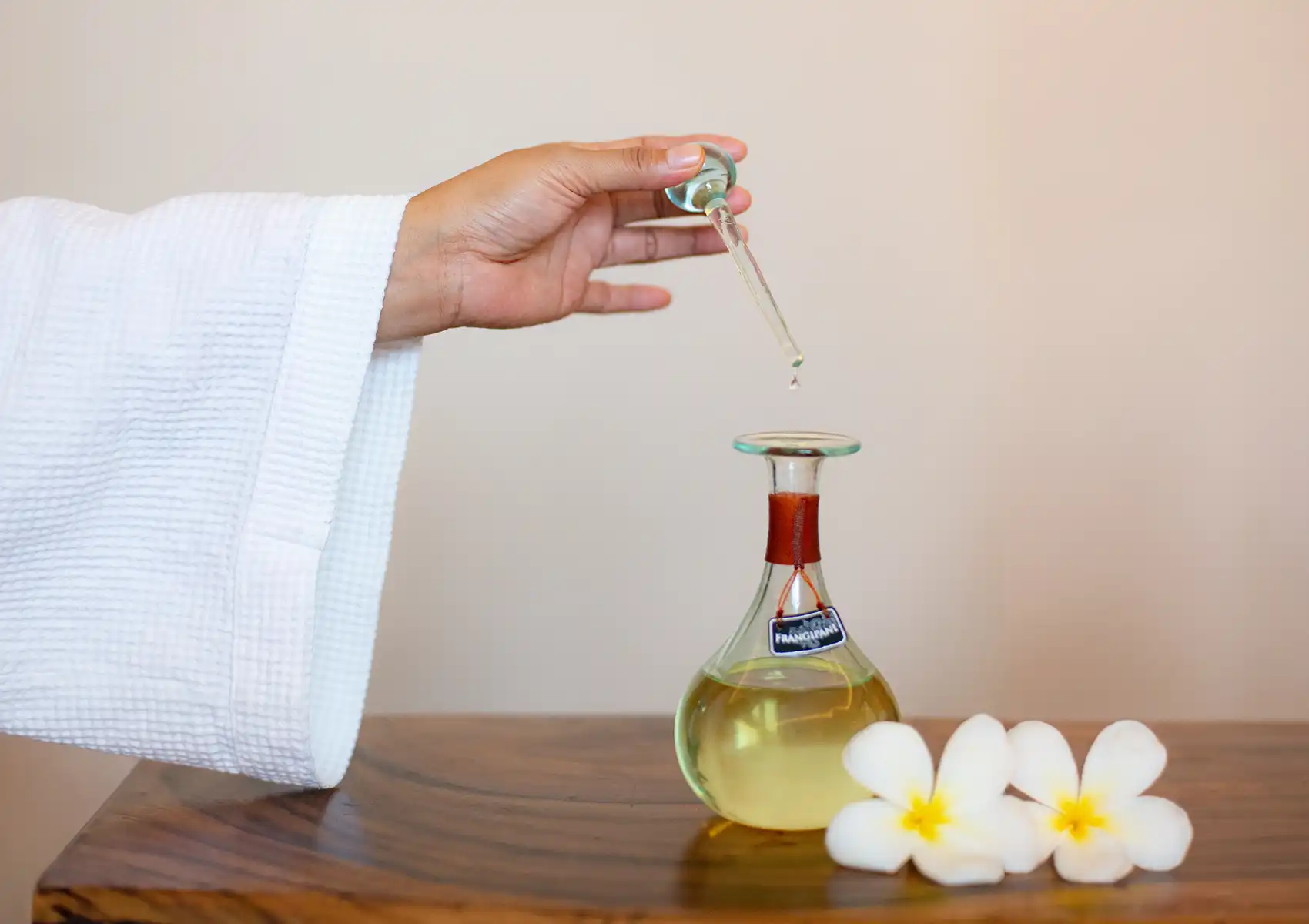
The setting, for example, can encourage a slower pace. Natural materials, water, botanical ingredients, quiet surroundings, and carefully prepared treatment spaces are familiar elements of the Balinese spa experience. They create an environment where the guest can step away from the pace of travel and focus on rest.
The treatment itself also requires attention to the individual. Pressure, pace, and the areas receiving attention can be adjusted according to how the guest feels on the day. A massage after a long journey, for example, may call for a different approach from one booked after several active days exploring Ubud.
This emphasis on balance is one reason a spa treatment in Bali can feel different from simply booking a body treatment as part of a busy itinerary.
Balinese Wellness Is About Balance
Wellness in Bali does not need to mean achieving a perfect physical or mental state.
The idea of balance is more practical. It can mean finding time to rest after a busy day, caring for the body after travel, or creating space to slow down when a holiday schedule becomes too full.
This perspective is particularly relevant to spa treatments. A massage does not need to be intense to be worthwhile, and a treatment does not need to leave the body feeling worked over to feel effective.
The better approach is to choose a treatment that matches what the body needs at that particular moment. For some guests, that may be a traditional Balinese massage. For others, a gentler treatment, facial, or body ritual may be more appropriate.
The Body and Its Surroundings
The relationship between people and their surroundings is another important part of the Balinese wellness experience.
Bali’s natural environment has long influenced local approaches to daily life and ritual. Plants, water, flowers, spices, and other natural materials feature in many traditional practices, including body treatments such as boreh and lulur.
These traditions have their own cultural histories and should not be reduced to spa decoration. At the same time, their presence in contemporary wellness spaces helps explain why treatments in Bali often place such importance on sensory elements and the connection between the body and its surroundings.
For a visitor, this can make a treatment feel connected to the destination rather than interchangeable with a spa experience anywhere else.
Traditional Treatments and Modern Spa Care
Today’s Balinese spas bring together traditional influences and modern approaches to wellness.
A treatment may use techniques that have long been associated with Balinese body care while taking place in a contemporary spa environment with trained therapists and carefully considered treatment protocols. The two do not necessarily conflict.
This balance allows guests to experience elements of Balinese wellness without expecting a modern spa treatment to reproduce a traditional healing practice exactly as it would be experienced in a local community.
It is also why the consultation matters. A good therapist considers what the guest needs rather than treating every person according to the same routine.
Why the Context Matters to Travellers
For many visitors, a spa treatment is simply a welcome pause in a busy holiday. That is reason enough to book one.
Understanding a little of the culture behind Bali’s wellness traditions, however, can make the experience more meaningful. The emphasis on balance, care, nature, and taking time to restore the body fits naturally into a destination where many travellers come specifically to slow down.
A massage can therefore be more than an hour away from sightseeing. It can become part of the way you experience Bali: at a slower pace, with greater attention to how the body feels and with a little more time to appreciate the surroundings.
For guests searching for the best spa in Ubud, this sense of place is worth considering alongside the treatment menu, therapist experience, and setting.
The Akoya Approach
At Akoya Spa, the experience brings together Balinese influences with the standards of a luxury spa environment. The aim is not to turn cultural traditions into a performance, but to create treatments that feel thoughtful, comfortable, and appropriate to each guest.
That approach can be seen in the way treatments are selected and adapted to the individual. A guest may arrive after a long journey and need something restorative, while another may be looking for a more focused massage after several active days in Bali.
The surrounding environment also plays a role. Time spent away from noise, schedules, and everyday responsibilities gives the treatment space to do what it is intended to do: help the guest slow down and reconnect with the body.
Experiencing Balinese Wellness in Ubud
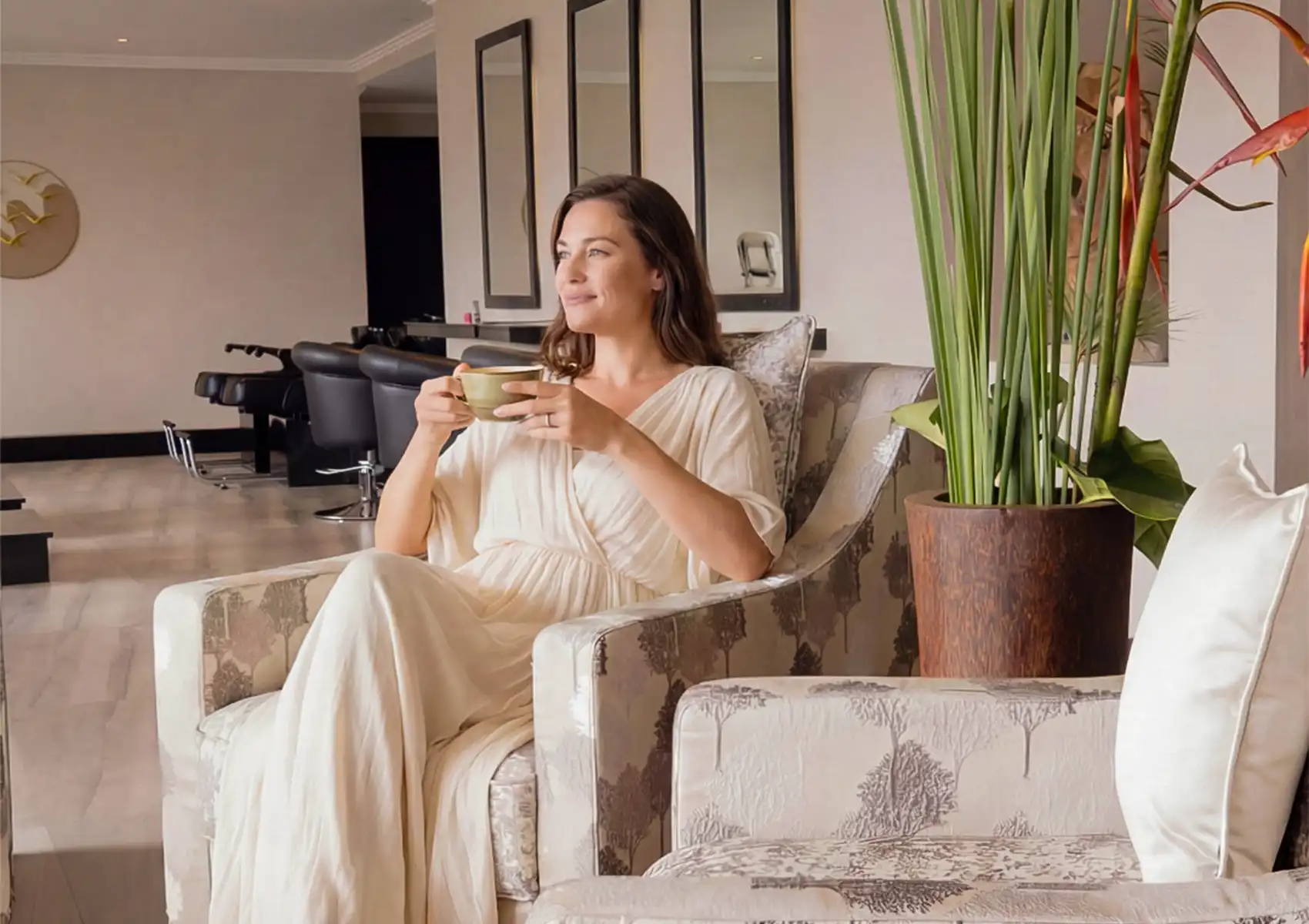
The appeal of Balinese wellness is not that every treatment follows one fixed philosophy. It is that many aspects of the experience encourage a similar sense of balance and care.
From traditional body rituals to contemporary spa treatments, the best experiences respect both the individual guest and the cultural setting in which the treatment takes place.
That is what makes a spa visit in Ubud feel particularly appropriate during a Bali holiday. You are not simply setting aside an hour for a massage. You are giving yourself time to slow down, pay attention to the body, and experience a quieter side of the destination.
Akoya Spa is open daily from 9:00 AM to 8:00 PM, with the last treatment beginning at 6:00 PM. To explore the available treatments, you can visit the treatments page or make a reservation. You can also contact the spa on WhatsApp if you would like help choosing a treatment.
The treatment itself is only part of the experience. The setting, the therapist, the approach to care, and the connection to Bali all have a role in making the time worthwhile.